Cargo Transfer as a Critical Link in Global Logistics
For international shippers, cargo transfer is one of the most consequential moments in the supply chain. The transition from vessel to rail represents a point where delays, damage, or misalignment can quickly ripple across schedules and contracts. As global trade volumes grow and shipping lanes face increased pressure, integrated cargo transfer has become a key factor in reducing risk and improving reliability.
Ports that prioritize coordination between marine and rail operations are better positioned to support consistent cargo movement. When infrastructure, planning, and execution align, cargo transfer becomes a strength rather than a vulnerability.
The Risk of Fragmented Cargo Transfer
Disconnected cargo transfer systems introduce uncertainty. When vessels arrive without synchronized rail availability, cargo can sit idle at berth or in staging areas. Extended dwell time increases exposure to weather, congestion, and operational disruption. For shippers, these delays can result in missed delivery windows, higher handling costs, and downstream supply chain impacts.
In contrast, integrated cargo transfer reduces handoff friction. By designing operations that connect vessel discharge directly to rail movement, ports can limit unnecessary handling and maintain cargo flow. This approach is especially important for bulk and breakbulk commodities that move in high volumes and require precise coordination.
How Integrated Cargo Transfer Improves Reliability
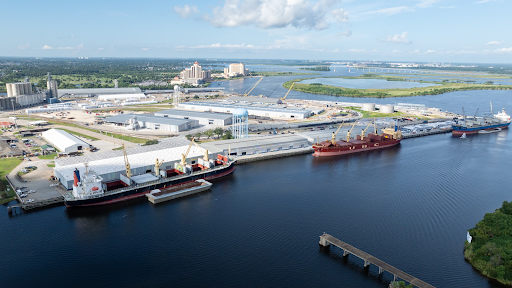
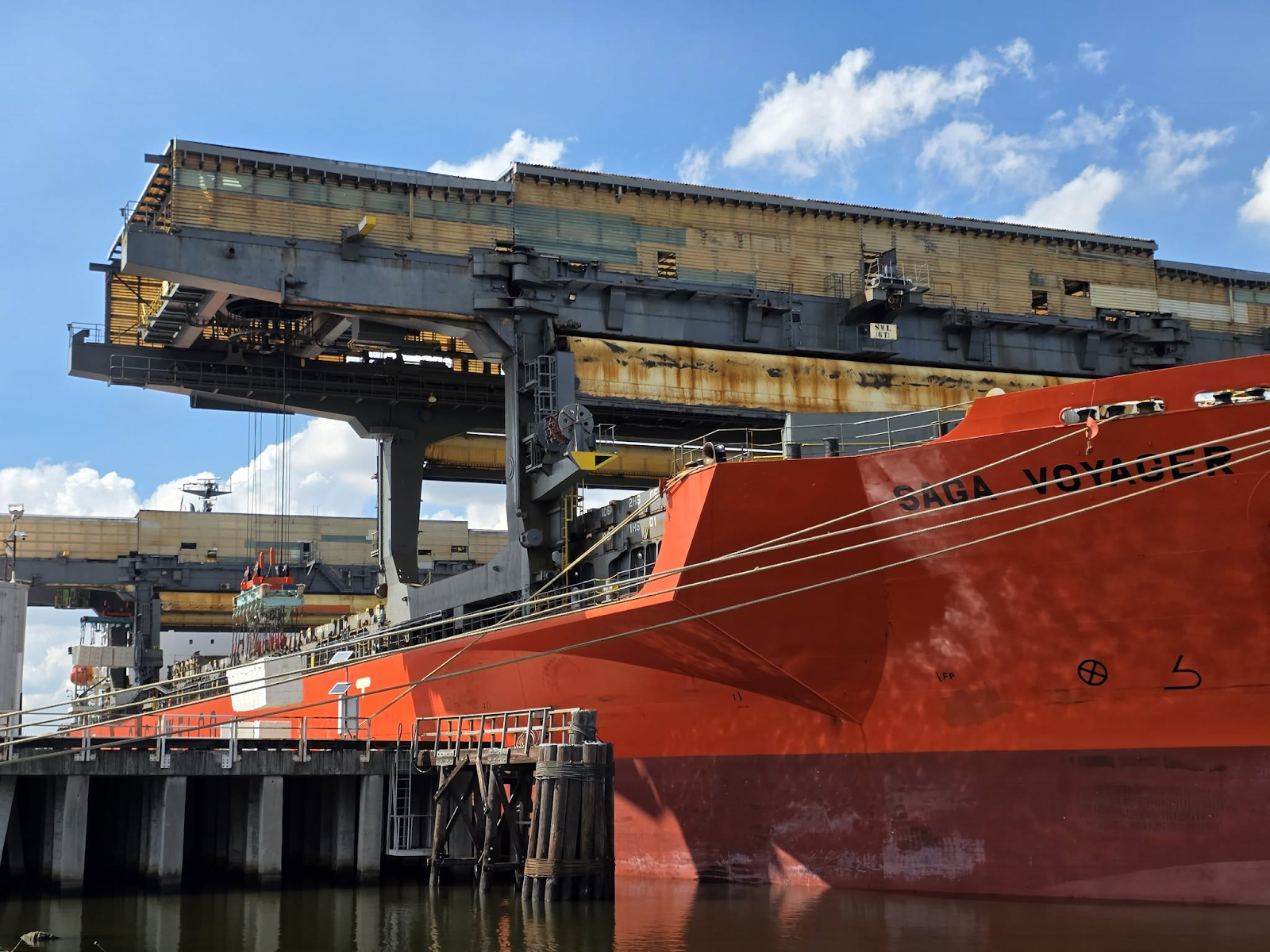
Effective cargo transfer depends on infrastructure and process working together. Deepwater access allows vessels to berth without draft limitations, while reinforced docks and specialized equipment support efficient unloading. Rail connectivity positioned close to the waterfront —¸ provided by Port Rail — ensures cargo can move inland quickly once it leaves the vessel.
Reducing Exposure Through Speed and Coordination
When cargo transfer is tightly coordinated, the time between vessel discharge and rail departure is minimized. This reduces exposure to operational risk and supports predictable transit schedules. For global shippers, reliability often outweighs raw speed. Knowing that cargo will move consistently through each phase of the journey allows better planning across production, storage, and distribution.
Integrated cargo transfer also supports flexibility. Rail systems that can accommodate varying cargo types and volumes give shippers options when markets shift or demand fluctuates.
Supporting Bulk and Commodity Supply Chains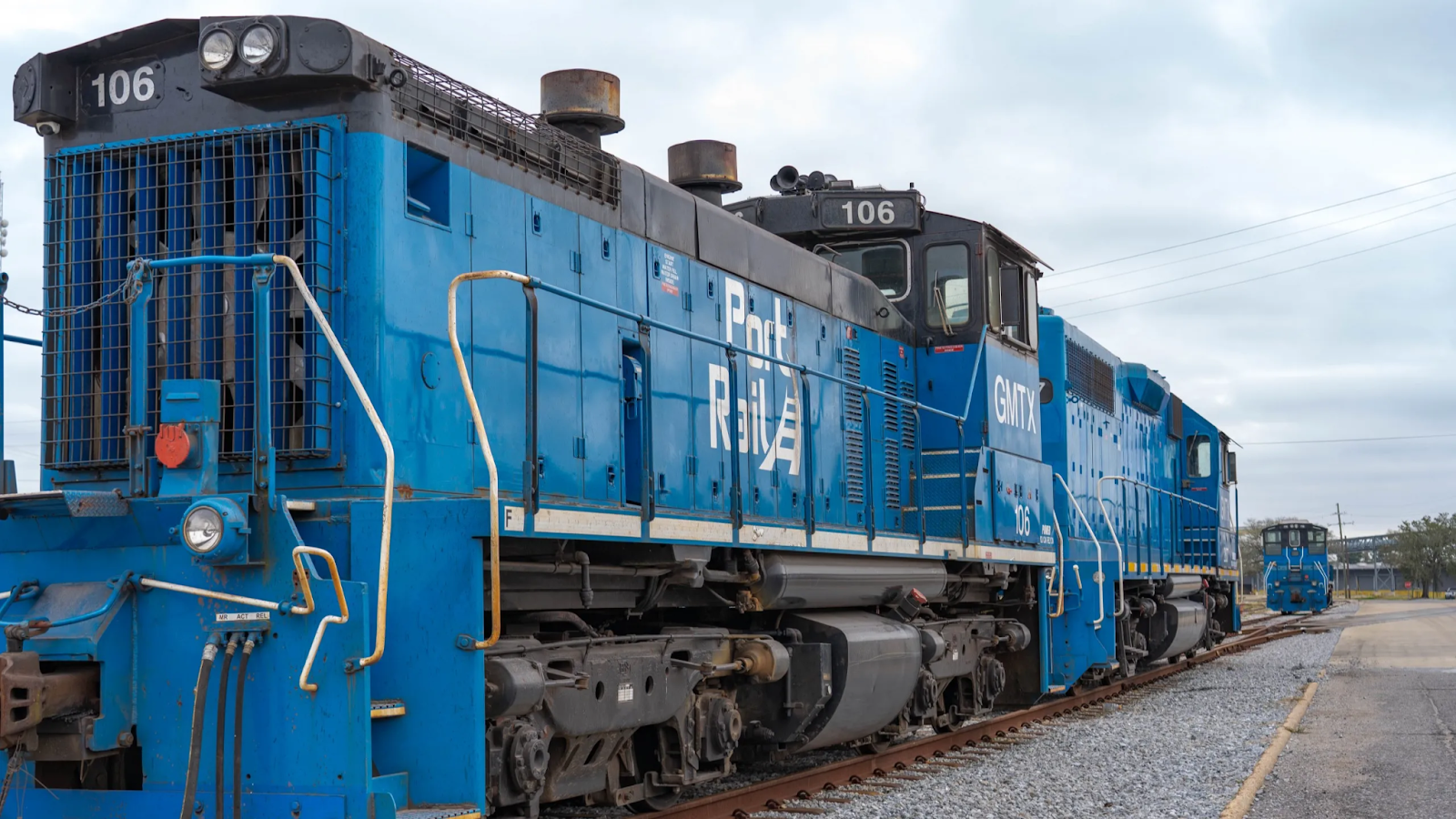
Cargo transfer plays a particularly important role in bulk and commodity markets such as pulp, agricultural products, and industrial materials. These cargoes often move on fixed schedules and contract commitments, leaving little margin for delay. Ports that can move cargo seamlessly from vessel to rail help protect product quality and maintain commercial relationships.
For international partners, integrated cargo transfer signals operational maturity. It demonstrates that a port can handle scale, complexity, and timing without compromising efficiency.
Cargo Transfer as a Strategic Advantage
As supply chains face ongoing disruption from weather, labor constraints, and geopolitical uncertainty, cargo transfer performance has become a defining factor in logistics reliability. Ports that invest in integrated vessel to rail systems reduce risk not only for their own operations, but for every shipper that relies on them. At the Port of Lake Charles, coordinated cargo transfer supported by deepwater access, Port Rail’s waterfront connectivity, and purpose-built infrastructure helps create a more predictable path from vessel arrival to inland distribution. This integrated approach allows global shippers to move cargo with greater confidence, even as trade conditions continue to evolve.