Turning Basin Operation Marks Key Step Forward for Export Growth
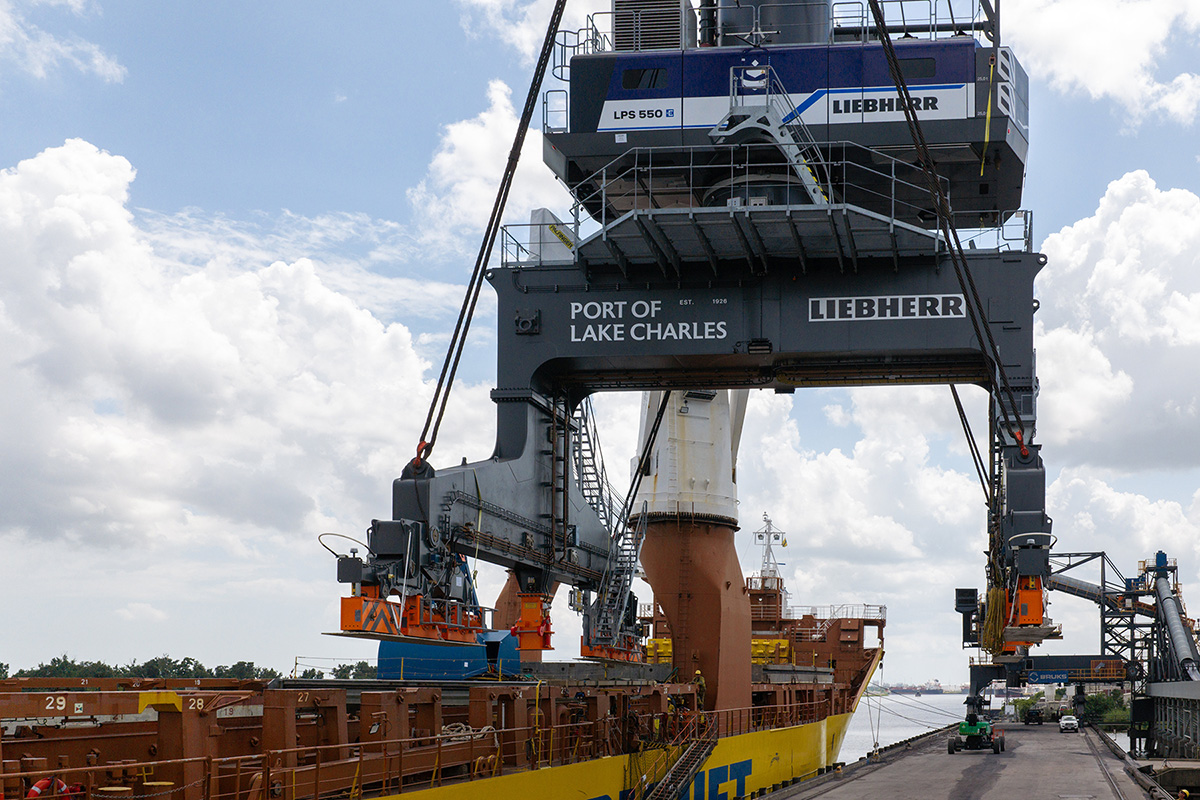
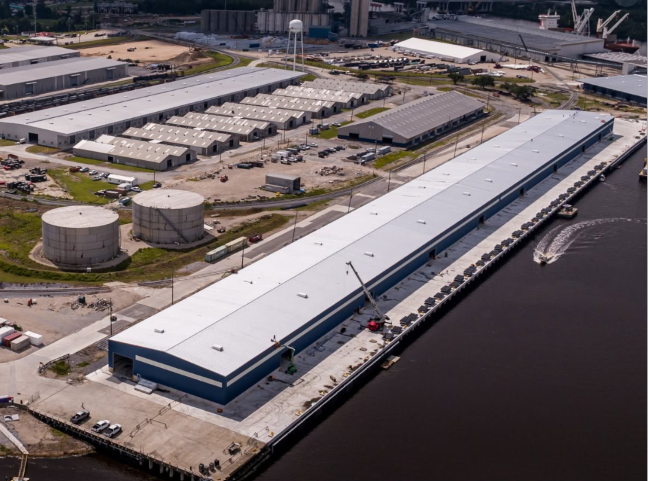
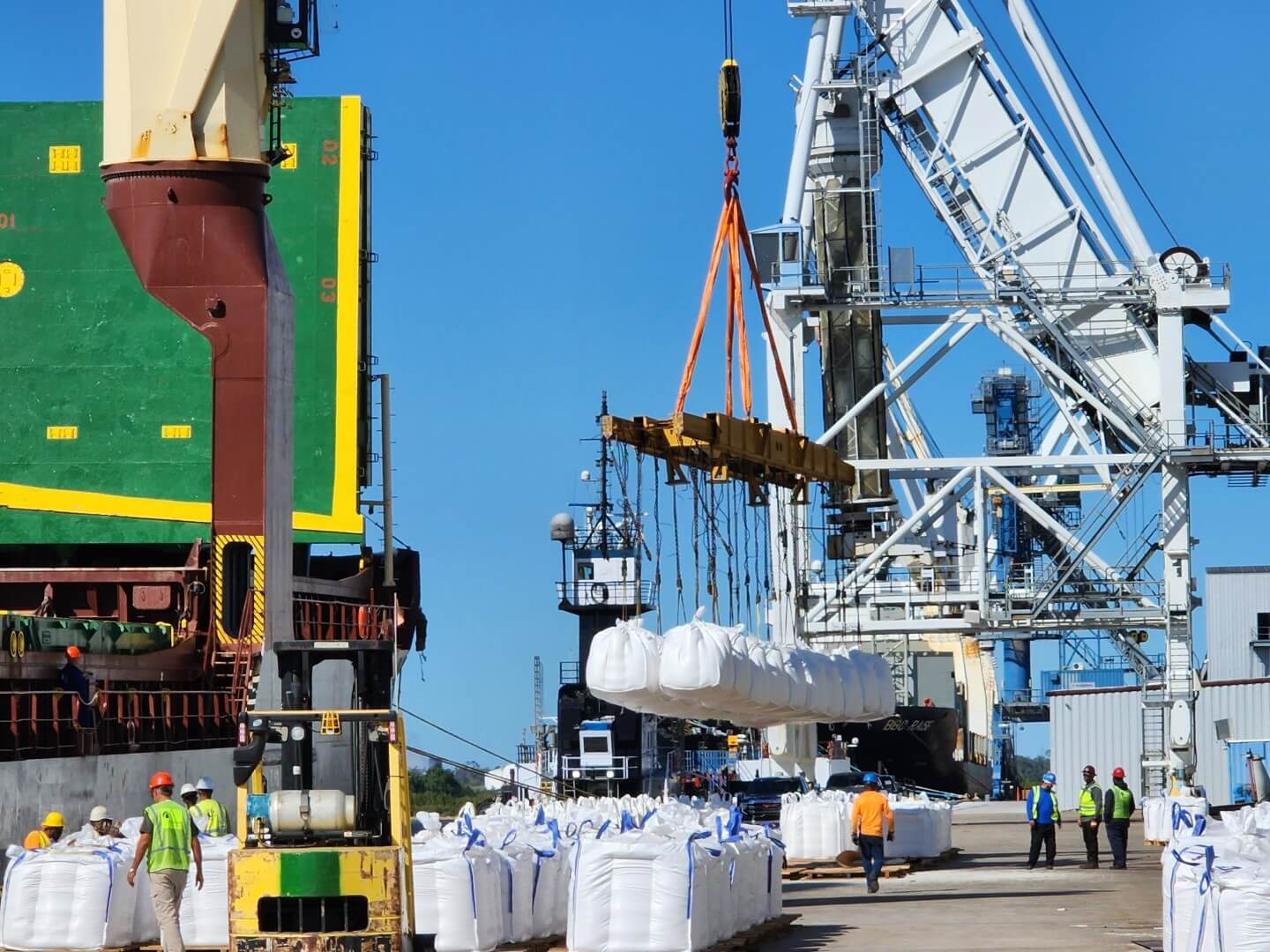
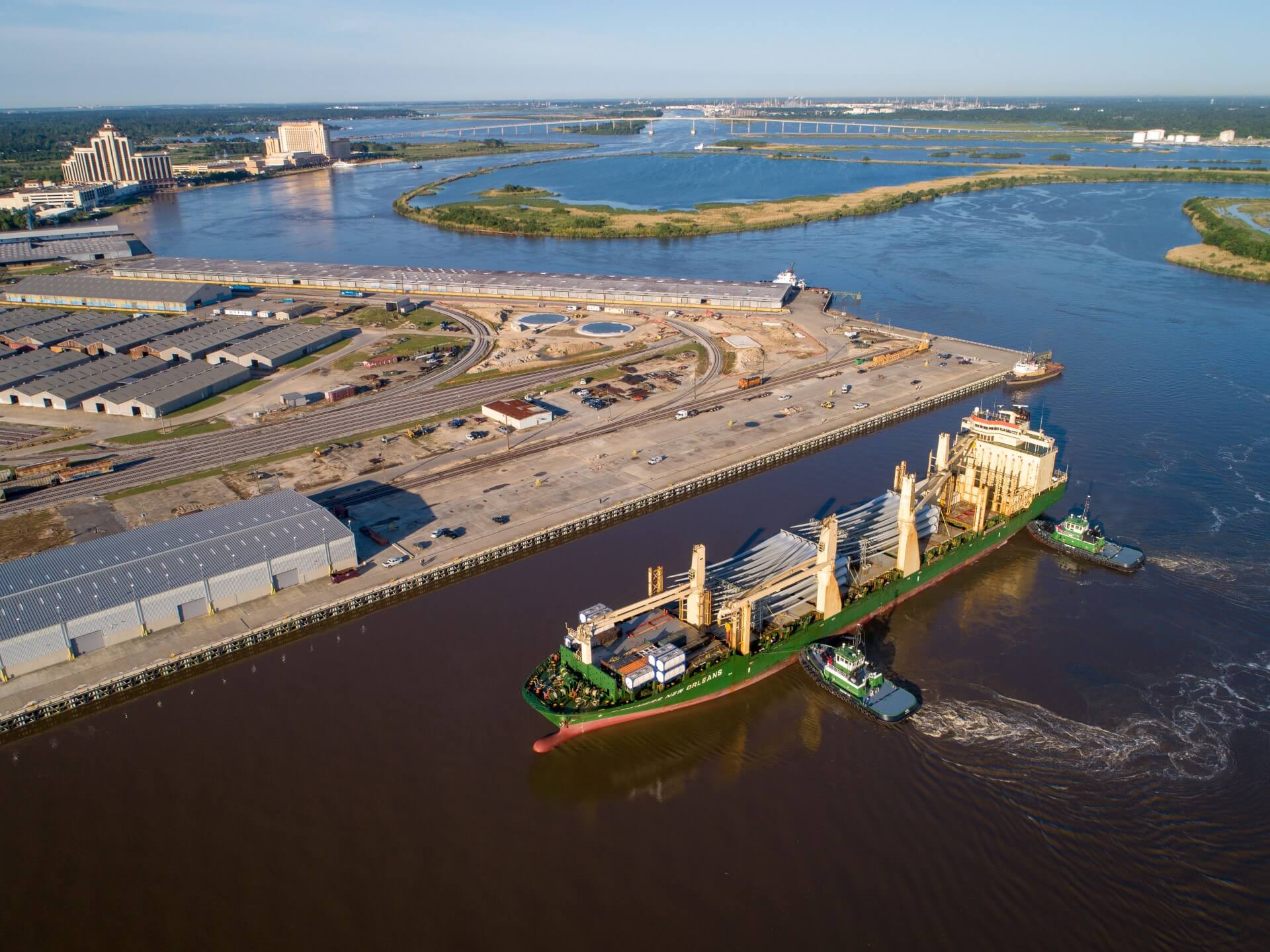
A recent agricultural shipment of 11,000 metric tons of high milling yield long grain rice moving from the Port of Lake Charles to Honduras drew attention not only for its successful delivery, but for what it says about Louisiana’s growing export capabilities. The shipment, which departed on October 23 and arrived on October 28, represented the first major movement through the Port’s expanded Turning Basin facility. While the rice itself earned a premium for quality, the true story is the network behind it. This milestone demonstrated how upgraded rail service, improved waterfront infrastructure, and dependable deepwater access work together to support global trade and position Louisiana as a stronger competitor in international markets.
For international shippers, the milestone serves as a preview of the efficiencies that the Port’s infrastructure investments will bring as expansion work continues through 2026.
Rail Connectivity That Drives Export Efficiency
The South Louisiana Rail Facility remains a central part of this success. Its ability to move high volume commodities directly from inland parishes to the waterfront allows exporters to streamline operations, reduce handling, and maintain quality throughout transit.
Integrated Rail Operations for International Markets
The coordinated rail system connecting growers, producers, and the Turning Basin ensures cargo can arrive in a ready to load condition. This reduces dwell time and supports rapid vessel turnaround, which is essential for global shippers who depend on predictable schedules and minimized transit disruptions.
As expansion moves forward, the Port is reinforcing this rail to vessel interface with increased power capacity, upgraded loading systems, and enhanced staging areas. These improvements will deliver greater speed and flexibility for a wide range of international shipments.
Deepwater Access That Expands Global Reach
The Port of Lake Charles is one of the top deepwater ports in the United States, and its location along the Calcasieu Ship Channel provides immediate advantages for global carriers. The channel extends 68 miles from the Gulf of Mexico to the City Docks and supports the drafts needed for larger vessels serving overseas markets.
Deepwater access ensures that ships can load and discharge efficiently without tidal restrictions or recurring congestion. The Turning Basin’s growing capabilities will only enhance this, providing additional capacity to handle bulk, breakbulk, and agricultural exports with reliability.
Infrastructure Built for Performance
With new electrical infrastructure, modern loading equipment, and expanded rail integration, the Port is positioning itself for increased tonnage and a broader global footprint. These investments support the long term competitiveness of Louisiana producers while giving international shippers confidence in the Port’s ability to deliver consistent service.
Louisiana’s Commitment to International Commerce
The recent rice shipment is a clear example of what strong infrastructure can achieve. It shows how Louisiana’s rail network, deepwater capabilities, and growing terminal facilities allow the Port of Lake Charles to serve as a dependable connection between U.S. producers and international buyers.
As the Turning Basin expansion progresses toward completion in 2026, the Port will offer even more capacity, efficiency, and geographic reach for global shippers. With robust rail access, deepwater strength, and a forward looking investment strategy, the Port of Lake Charles continues to reinforce its role as a vital gateway between Louisiana and world trade markets.