Rail transportation plays a critical role in moving cargo between inland production areas and global markets. While major rail carriers provide long-distance connectivity, short line railroads serve as the essential link that connects local industries and port facilities to the broader national freight network.
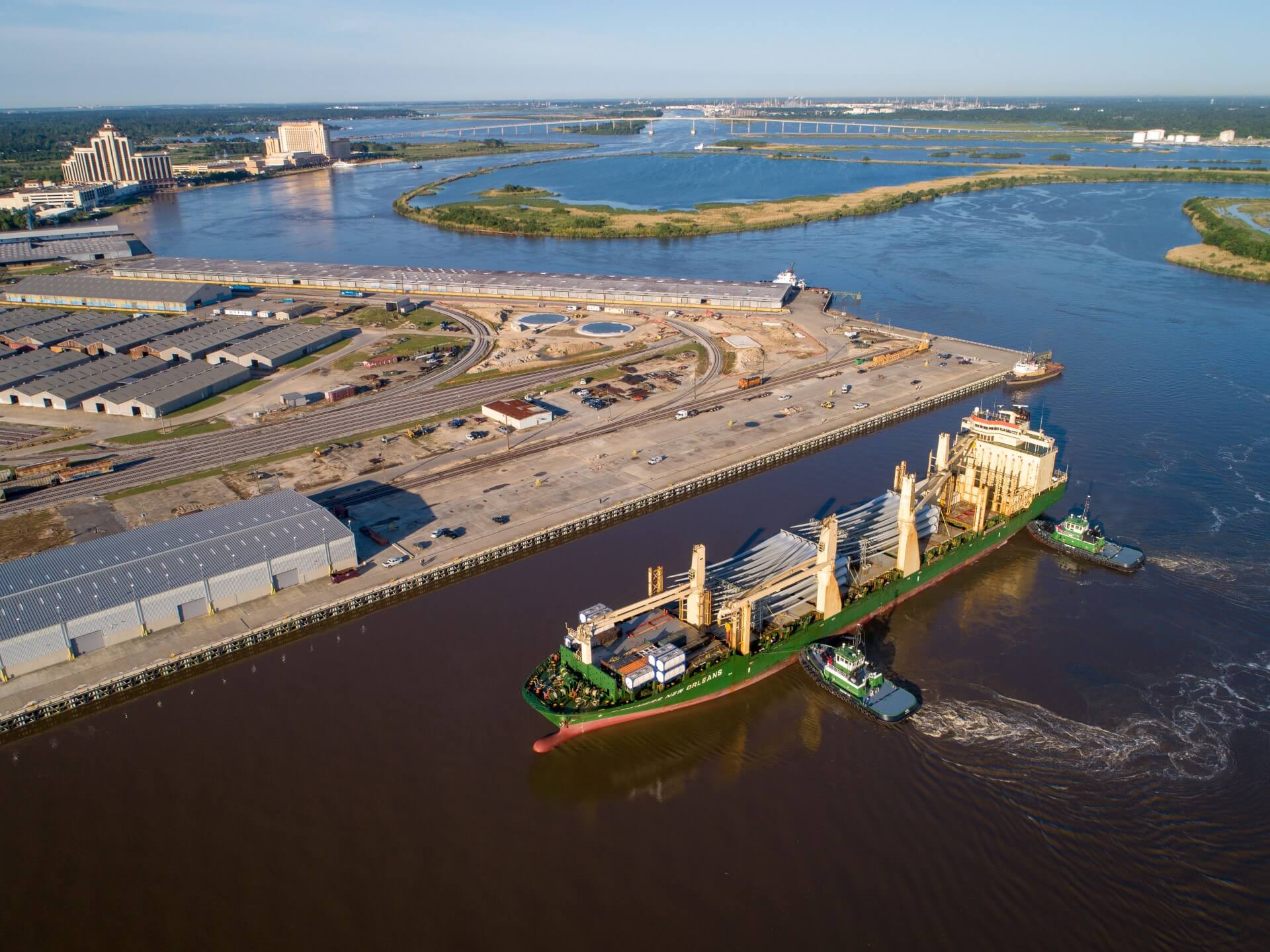
At the Port of Lake Charles, Port Rail, Inc. fulfills this role by bridging on-port operations with major Class I rail carriers. This connection supports efficient rail-to-port cargo movement and enables seamless integration into national and international supply chains.
What Is a Short Line Railroad?
A short line railroad typically operates over a limited geographic area, focusing on first-mile and last-mile service. These railroads connect industrial facilities, terminals, and ports to larger rail networks operated by Class I carriers.
Rather than replacing long-haul rail service, short lines enhance it by ensuring cargo can move efficiently from origin points to major rail corridors. This localized focus allows for more responsive service and better coordination at key transfer points such as ports.
The Role of Port Rail at the Port of Lake Charles
Port Rail operates approximately 11 miles of track that connect the Port of Lake Charles to Louisiana’s regional rail infrastructure. Its primary function is to move cargo between port terminals and interchange points where shipments are transferred to major rail carriers.
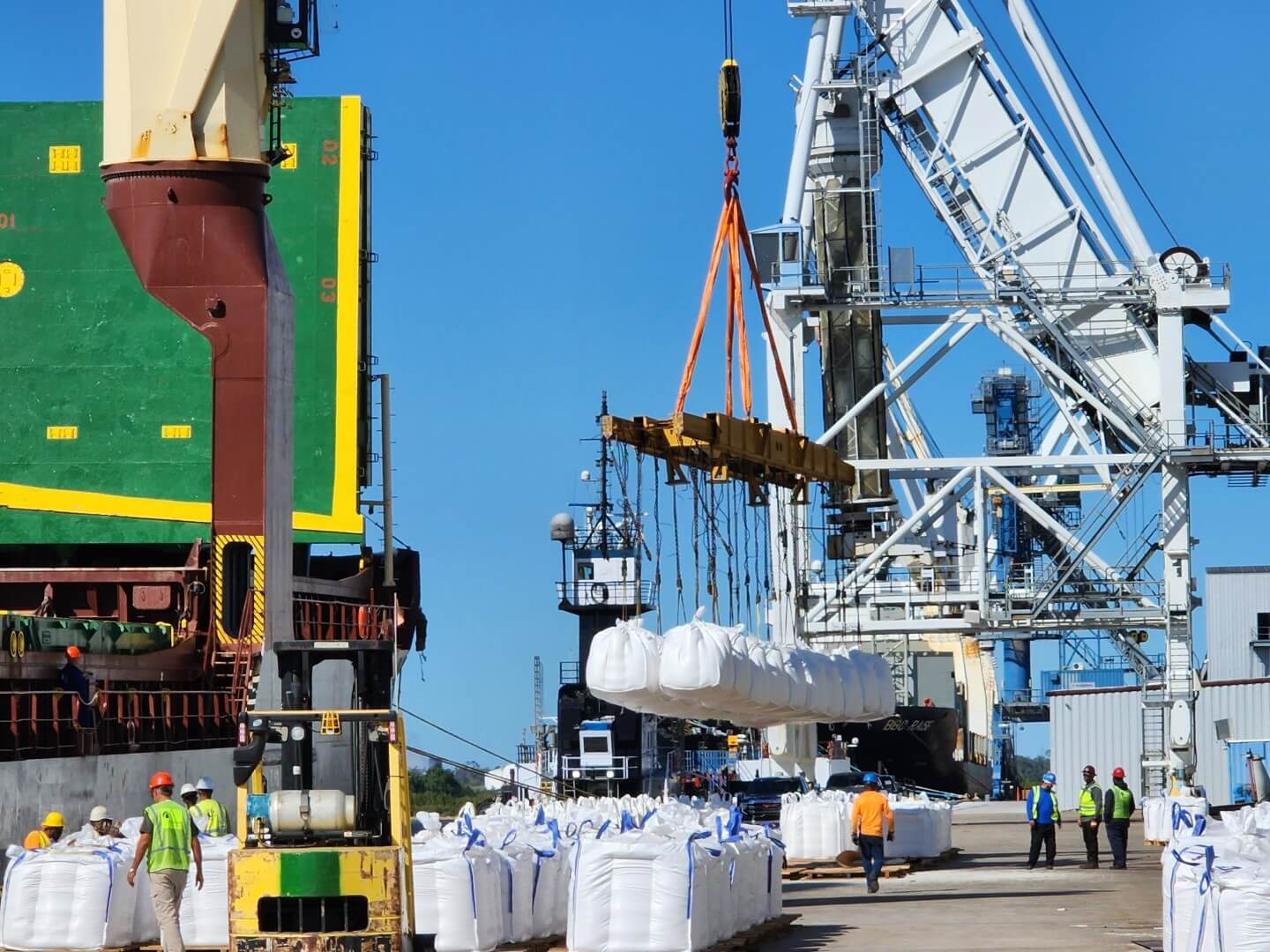
This operation supports the movement of commodities such as grain and other bulk materials, ensuring they reach the port efficiently for export. By managing on-port rail logistics, Port Rail helps reduce congestion and improves turnaround times for inbound and outbound shipments.
Connecting to Major Rail Networks
Through its connections, Port Rail links directly to both Union Pacific Railroad and Kansas City Southern Railway. These Class I railroads provide long-haul service across extensive national networks, reaching key industrial regions and distribution hubs.
This layered rail system allows cargo to move seamlessly from Louisiana to national markets. Short line rail handles the initial and final segments of the journey, while major carriers manage long-distance transportation.
Supporting Efficient Rail-to-Port Cargo Movement
Short line railroads play a key role in ensuring cargo flows efficiently into port facilities. By coordinating train movements, managing switching operations, and handling terminal connections, they streamline the process of delivering goods for export.
This is particularly important for bulk cargo, where large volumes must be moved consistently and on schedule. Efficient short line operations help prevent delays, reduce handling complexity, and support higher throughput at the port.
Benefits for Shippers and Industry
For businesses relying on rail transportation, short line connections provide several operational advantages:
- Improved access to port facilities without requiring direct Class I rail service
- More flexible scheduling and localized service support
- Reduced congestion at major rail hubs
- Efficient handling of bulk and industrial cargo
These benefits contribute to lower transportation costs and more reliable logistics performance.
Strengthening Regional and Global Connectivity
Short line railroads are a critical component of modern supply chains. By connecting ports to major freight networks, they enable industries to move goods efficiently from inland locations to global markets.At the Port of Lake Charles, the integration of short line and Class I rail service supports a scalable and reliable transportation system. This connectivity positions the port as a key gateway for rail-to-port cargo movement along the Gulf Coast.