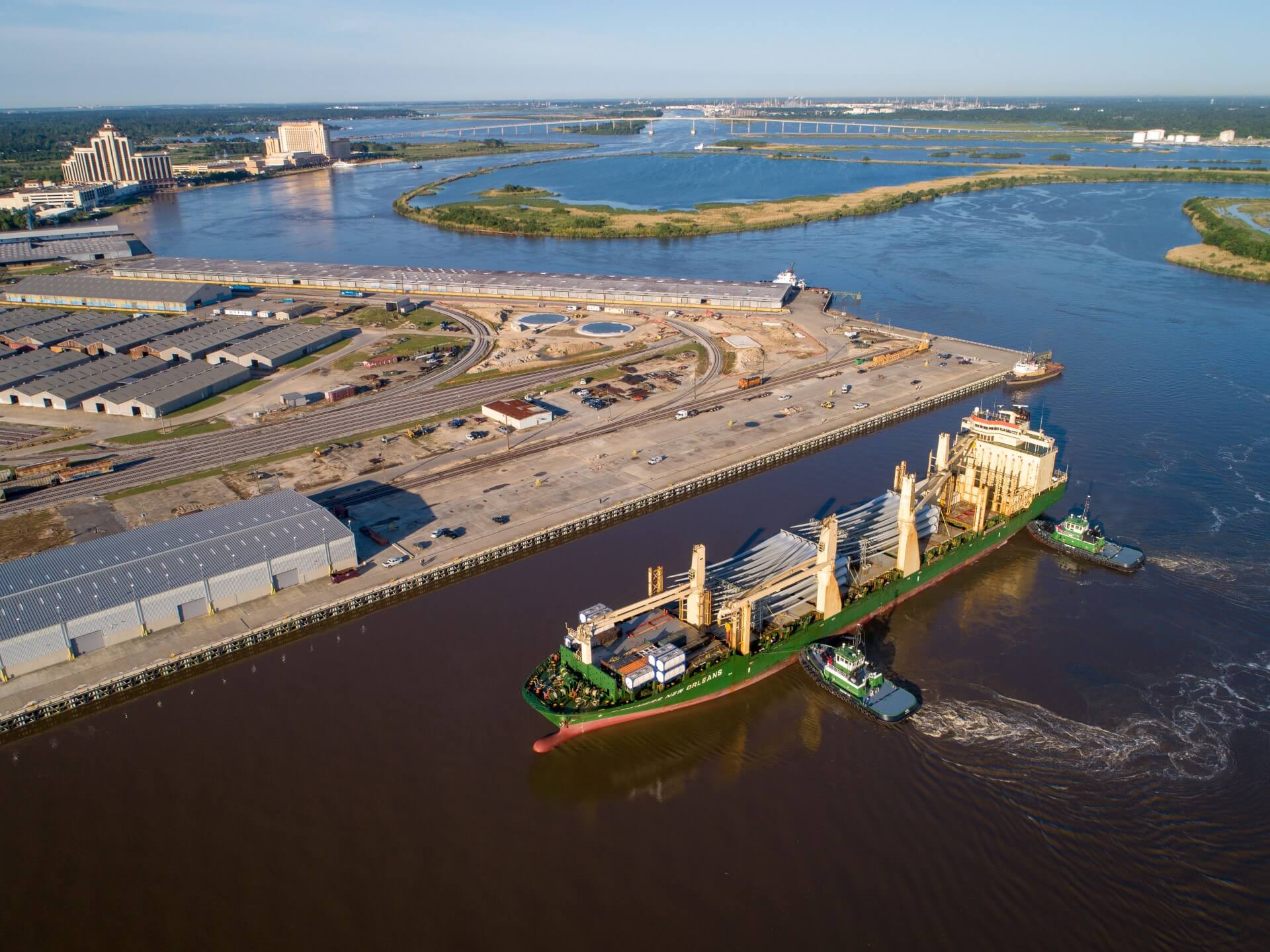
International shipping terminals are often viewed as places where vessels dock and cargo moves on or off a ship. In reality, they are part of a much larger logistics system that connects global trade routes with local, regional, and national supply chains.
At the Port of Lake Charles, that system includes deepwater access, diverse cargo capabilities, industrial property, inland transportation connections, and Foreign Trade Zone 87. Together, these assets help businesses move goods efficiently while supporting Southwest Louisiana’s role in international commerce.
The Role of International Shipping Terminals in Global Trade
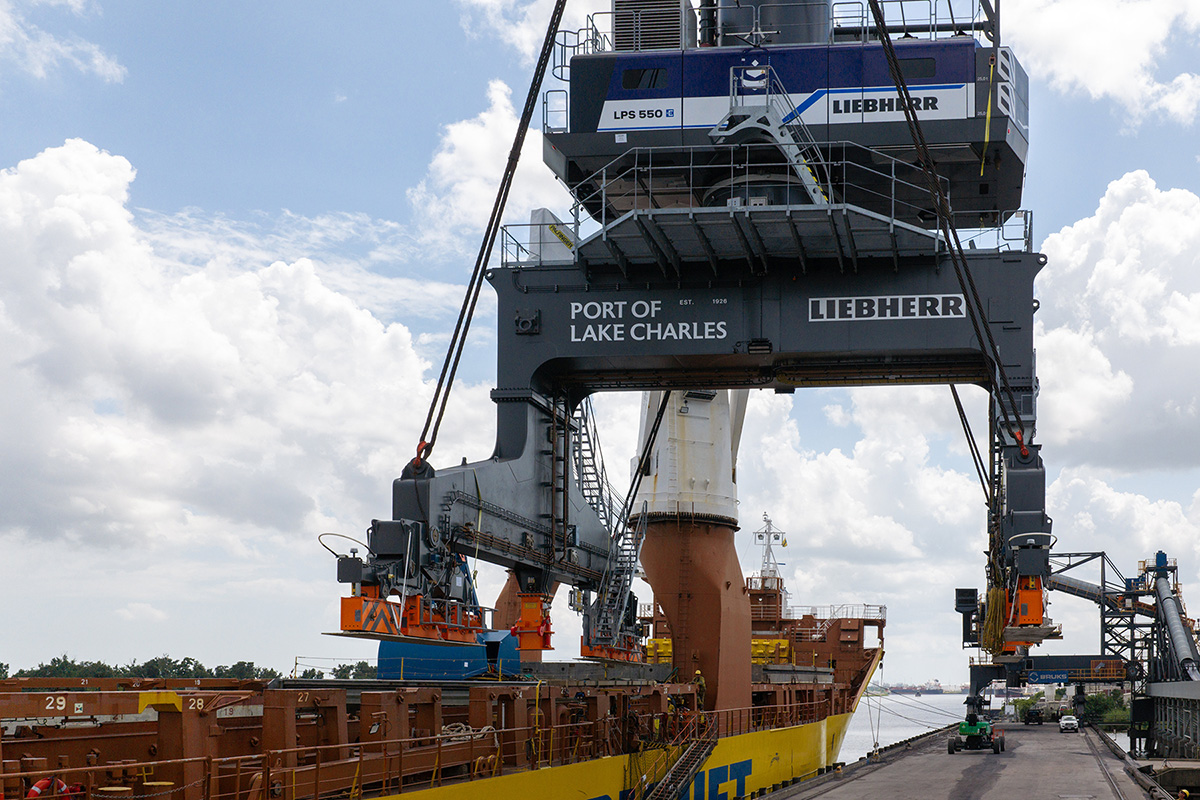
International shipping terminals serve as critical transfer points between ocean transportation and inland logistics networks. Cargo arriving by vessel must be unloaded, stored, processed, documented, and moved to its next destination. Export cargo must be collected, prepared, and loaded for shipment to markets around the world.
That process requires coordination between terminal operators, shipping lines, trucking companies, rail providers, warehouse teams, customs officials, and industrial users. A successful terminal is not just a dock. It is a working hub where cargo, infrastructure, labor, and transportation come together.
Moving Cargo Requires a Larger Logistics Network
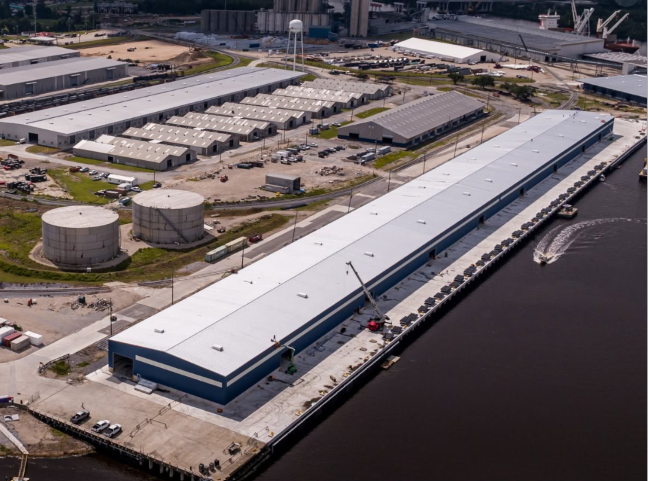
Cargo movement depends on more than marine access. Businesses also need efficient connections to highways, rail lines, warehouses, staging areas, and industrial sites. They need space to store materials, equipment to handle specialized cargo, and reliable access to the vessels, trucks, and trains that keep supply chains moving.
The Port of Lake Charles supports this kind of logistics activity through its location along the Calcasieu Ship Channel and its connection to regional transportation infrastructure. This allows cargo to move between global shipping lanes and inland destinations with greater efficiency.
For companies involved in importing, exporting, manufacturing, or distribution, that larger network can be just as important as the terminal itself.
Deepwater Access Gives Gulf Coast Ports a Competitive Advantage
Deepwater ports along the Gulf Coast play an important role in international trade. Their access to the Gulf of Mexico allows vessels to connect with major global shipping routes while serving nearby industrial and agricultural regions.
The Port of Lake Charles is part of that Gulf Coast advantage. Its position along the Calcasieu Ship Channel gives businesses access to a deepwater transportation corridor that supports cargo movement, energy development, industrial activity, and international commerce.
For Southwest Louisiana, this access strengthens the region’s ability to compete in global markets.
How the Port of Lake Charles Supports Diverse Cargo Movement
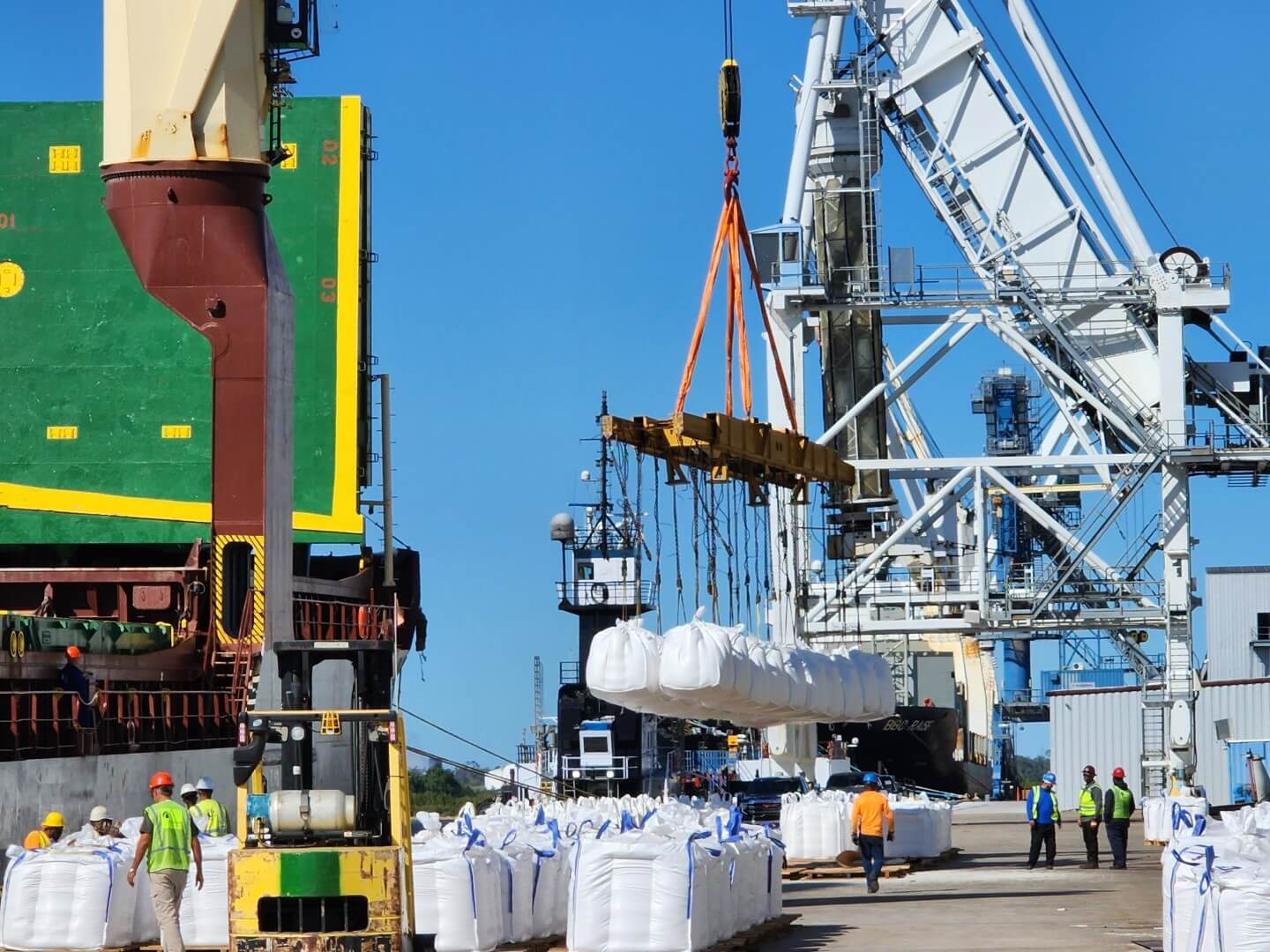
A strong port must be able to support a wide range of cargo needs. The Port of Lake Charles handles diverse cargo activity, including bulk cargo, breakbulk cargo, project cargo, agricultural products, industrial materials, and energy-related cargo.
This diversity matters because different industries have different logistics requirements. Some cargoes may require storage, specialized handling or quick movement between vessel, truck, rail, or warehouse. Other cargoes may need industrial property close to marine access.
The Port’s ability to support multiple cargo types makes it an important resource for companies operating across regional, national, and international supply chains.
Foreign Trade Zones Add Value for International Trade
Foreign Trade Zone 87 adds another layer of value for businesses involved in global commerce. FTZs are designed to help companies manage international trade more efficiently by allowing qualified goods to be stored, processed, assembled, or distributed under special customs procedures.
For importers, exporters, manufacturers, and distributors, FTZ 87 can support supply chain flexibility and may help improve cash flow, reduce certain costs, and simplify customs-related planning.
At the Port of Lake Charles, FTZ 87 complements the broader logistics advantages of deepwater access, industrial property, and transportation connections. It gives companies another reason to consider Southwest Louisiana as a strategic location for international trade.
A Port Built for More Than Cargo Handling
The Port of Lake Charles is more than a place where cargo changes hands. It is part of a larger economic engine that supports industry, trade, transportation, and job creation across Southwest Louisiana.
Through its deepwater access, cargo capabilities, industrial sites, transportation connections, and FTZ 87 opportunities, the Port helps connect businesses to the global marketplace. For companies looking to move goods through the Gulf Coast, the Port of Lake Charles offers more than a terminal. It offers a gateway to international commerce.