On November 30, 1926, a long-held vision for Southwest Louisiana became reality.
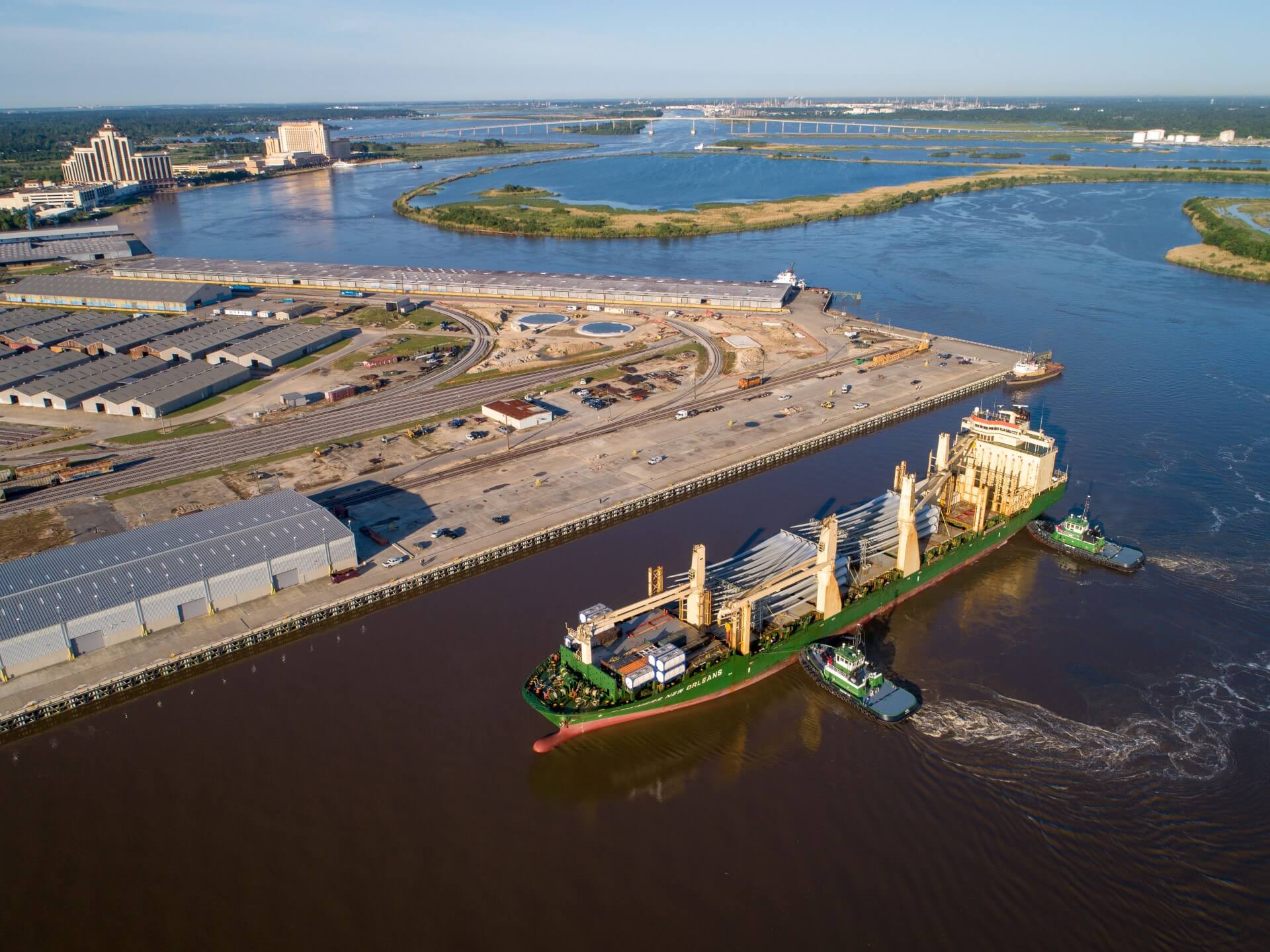
That day, the Port of Lake Charles formally opened, marking a defining moment in the region’s history. What had once been a dream discussed by local business leaders, community advocates, and public officials had become a working deepwater port with newly constructed wharves, transit sheds, rail access, and a direct connection to broader markets.
The Port’s 100-year story is chronicled through photos and local essays in the upcoming book “Century of Progress,” to be published mid-year in conjunction with America’s 250th birthday.
A Community Vision Years in the Making
Long before the Port officially opened, Lake Charles had already shown signs of becoming a natural center for waterborne commerce. In the 1800s, sailing vessels traveled the shallow waterways to pick up lumber, one of the area’s earliest and most important industries.
As commerce grew, so did the need for better access. Sandbars and shallow passages limited what could move through the Calcasieu River, creating challenges for local businesses that depended on transportation. Lumber, agriculture, rice, and other goods all needed a reliable route to reach larger markets.
Community leaders understood the opportunity. They pushed for deeper channels, better infrastructure, and a true port that could serve the needs of a growing region.
The Investment That Built the Port
The Port’s opening did not happen by accident. It was the result of years of planning and public support. In 1922, Calcasieu Parish voted to deepen and widen the Calcasieu River. The goal was clear: create a navigable route that could better connect Southwest Louisiana to the Gulf of Mexico and beyond.
In 1924, the Lake Charles Harbor and Terminal District was authorized, giving the Port a formal structure for leadership, funding, construction, and operations. Soon after, commissioners began planning the facilities that would turn the concept into reality.
By 1925, discussions were already underway with major rail lines serving Lake Charles, including Southern Pacific, Kansas City Southern, and Missouri Pacific. Rail access was recognized early as a critical part of the Port’s future. The new facilities would need to move cargo efficiently between ships, railcars, warehouses, and regional industries.
Opening Day Arrives
When the Port opened on November 30, 1926, the USS Cleveland was docked at the newly built wharves for the celebration. The Navy vessel, headed to Bluefields, Nicaragua, became part of the ceremony and gave the community a powerful symbol of what the Port represented.
The newly opened Port included two transit sheds and a creosote timber berth. The berth stretched 824 feet long and 111 feet wide. Each transit shed measured 300 feet long by 70 feet wide, giving the Port space to handle cargo with greater efficiency.
Century of Progress
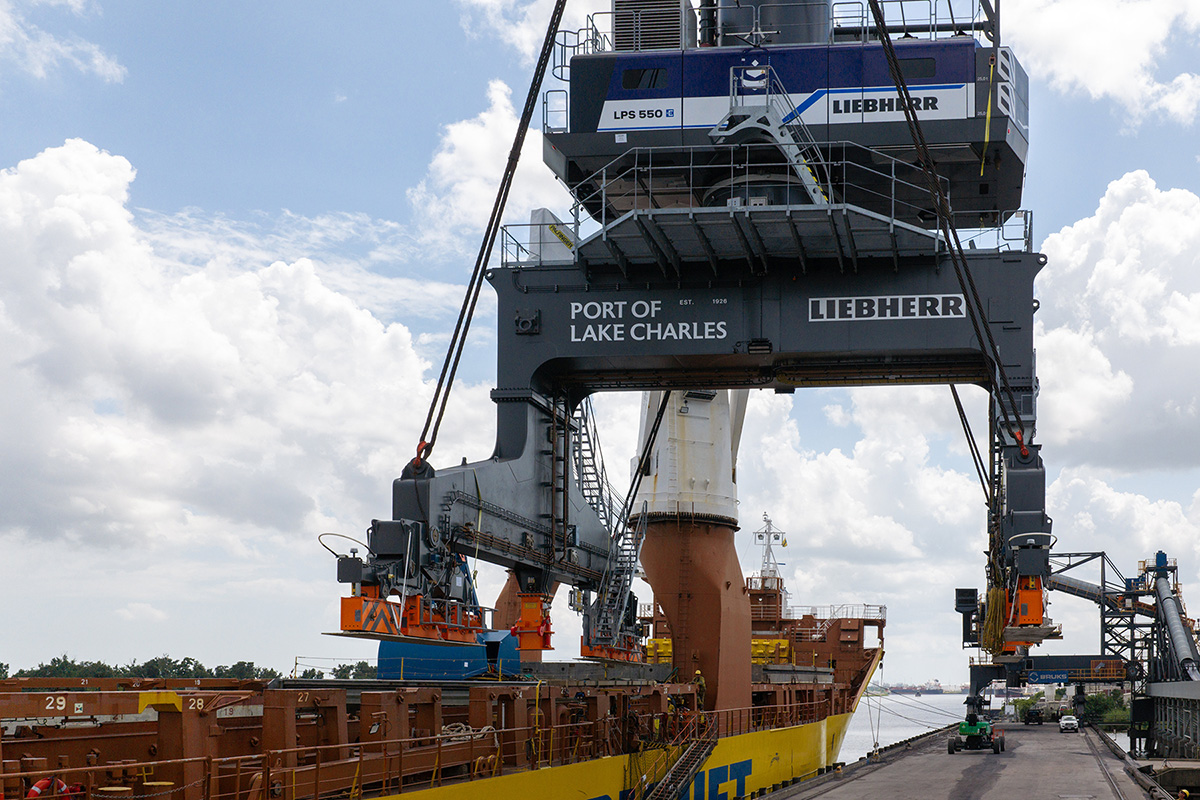
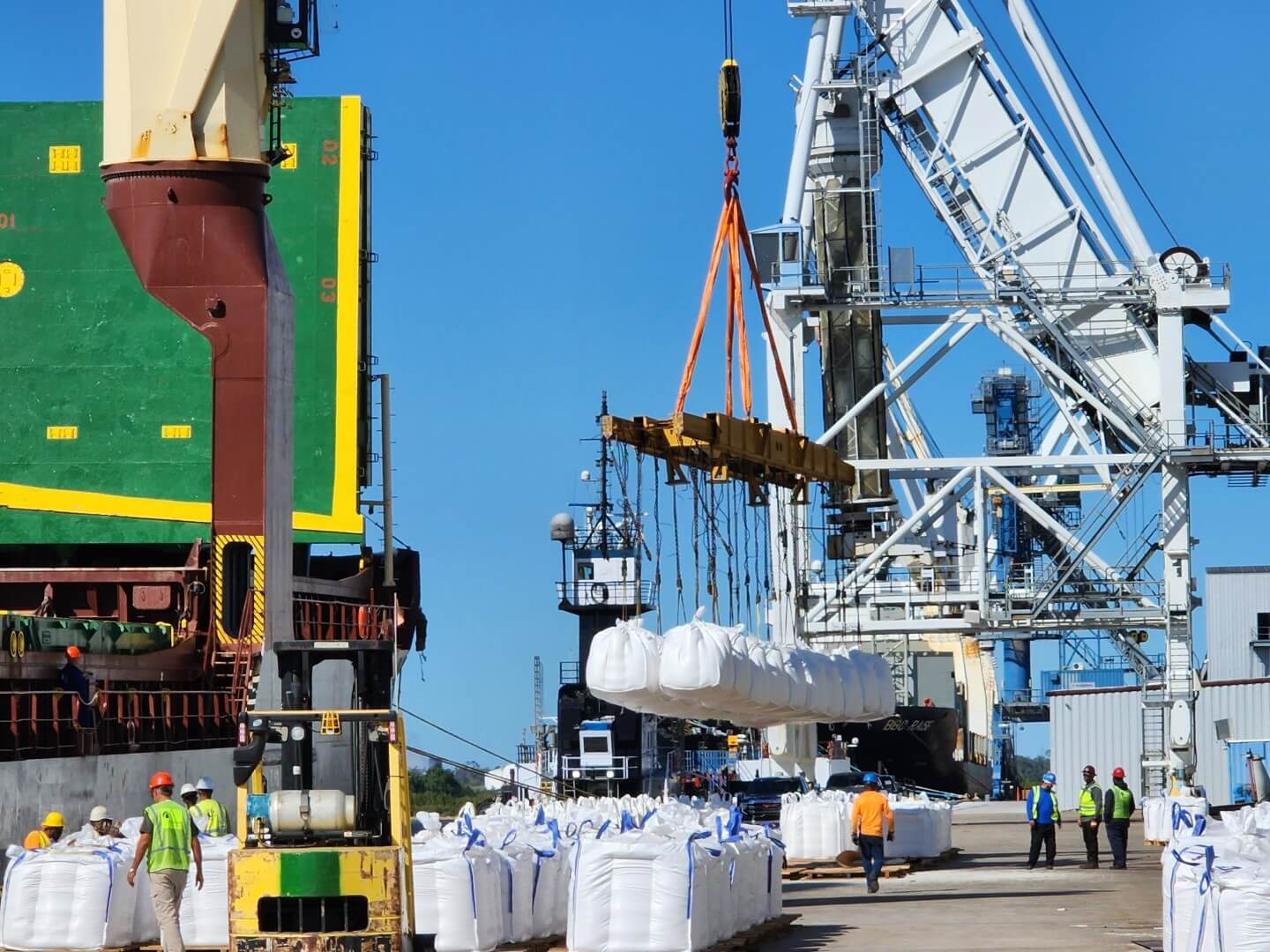
That first opening day laid the foundation for 100 years of growth. The Port would go on to support industry, agriculture, military logistics, commercial cargo, dry bulk materials, and a diverse range of goods moving through Southwest Louisiana.
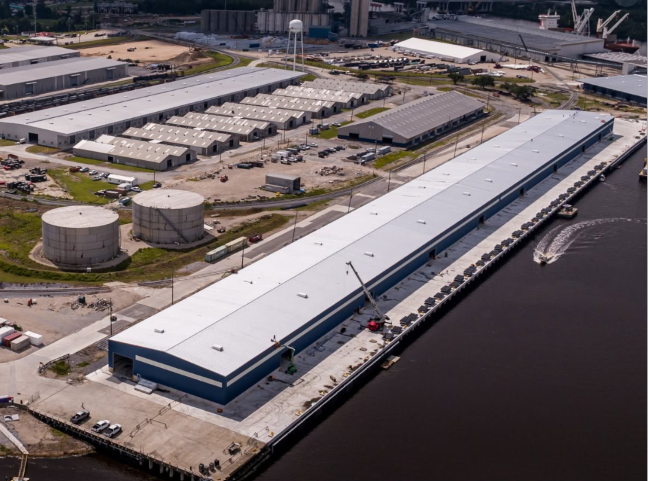
The Calcasieu Ship Channel became one of the Port’s defining assets, giving vessels a critical route between Lake Charles and the Gulf of Mexico. Over time, continued investment in channel improvements, terminals, docks, and cargo-handling facilities helped the Port adapt to changing markets and new business demands.
Today, the Port of Lake Charles remains one of the nation’s busiest deepwater ports, continuing the work that began with local vision and public commitment nearly a century ago.
Celebrating the First 100 Years
As the Port of Lake Charles celebrates its 100th anniversary, Opening Day stands as one of the most important moments in its story.
What began with newly constructed wharves, two transit sheds, a timber berth, and a community’s belief in its future has grown into a major center of commerce for Southwest Louisiana.
The Port’s first century is a story of vision, investment, connection, and progress. Its next century will continue building on the same foundation that made Opening Day possible: moving cargo, supporting industry, strengthening Louisiana, and connecting Lake Charles to the world.