As the global energy landscape shifts toward greater sustainability and resilience, battery energy storage systems (BESS) are emerging as a pivotal enabler of the energy future. These systems are essentially large-scale batteries integrated with smart power electronics and controls. They store electricity from diverse sources and dispatch it precisely when needed, providing flexibility, reliability, and stability to the grid.
BESS are fast-responding, dispatchable power sources capable of delivering full capacity within seconds. They are ideal for smoothing out intermittent renewables, stabilizing frequency, and managing peak demand. They are also used widely in applications like peak shaving, load shifting, backup power, and even microgrid support.
Heavy Industry and LNG, Strengthening Backbone Infrastructure
For heavy industries and LNG export facilities, BESS offers unmatched value. By buffering energy supply fluctuations, they ensure continuous operations even during grid stress or outages. This is particularly critical for LNG liquefaction and export facilities, where momentary power dropouts can disrupt production and compromise safety.
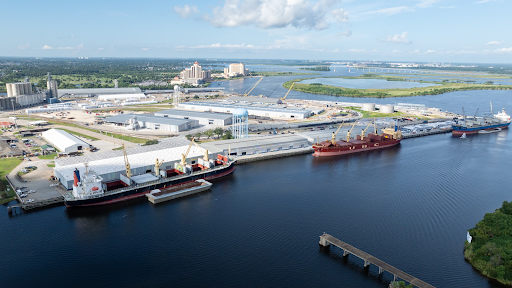
At the Port of Lake Charles, a cornerstone of U.S. LNG exports, BESS could directly support major players in LNG and refining. By pairing BESS with liquefaction trains, refineries, and data center load demands, the Port enhances both reliability and performance at scale.
A Global Energy Nexus With Local Momentum
Nationally, the demand for energy storage is surging. With installed grid-scale battery storage crossing into gigawatt-hour territory and costs dropping steadily, BESS has become cost-effective compared to traditional peaker plants. Globally, innovative deployments such as second-life EV battery systems or vanadium flow installations signal accelerating adoption.
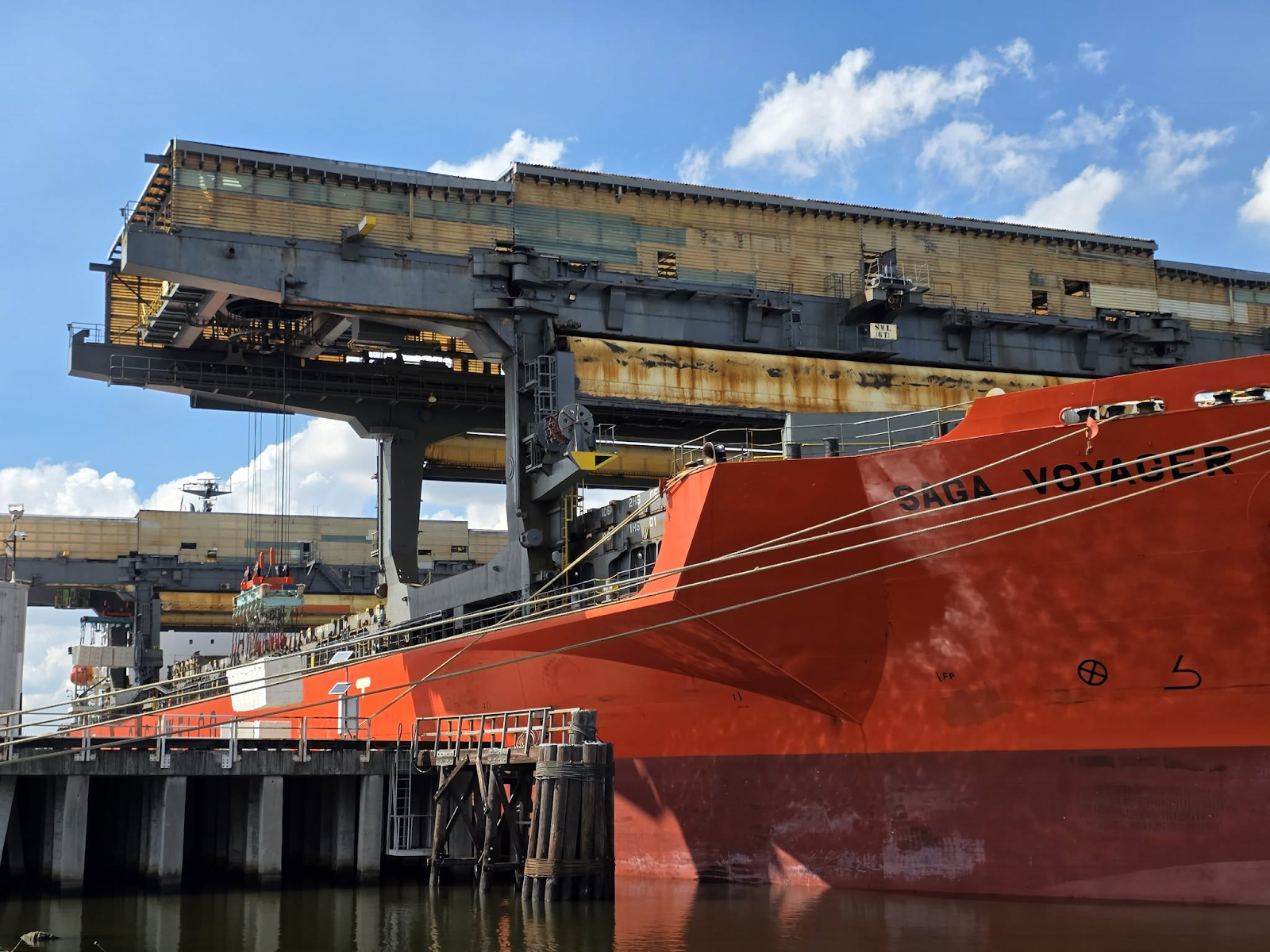
Locally, the Port of Lake Charles is ideally positioned to lead. With adjacent deep-water access, on-site rail infrastructure, and proximity to heavy equipment routes, the Port offers unmatched logistical advantages for importing BESS components and deploying large-scale installations efficiently.
Bringing in Builders and Visionaries
Several energy and storage companies are already looking at the Port of Lake Charles as a strategic build site for BESS facilities serving LNG operations, refineries, and data centers under development. This momentum underscores the Port’s emerging identity as a hub for energy storage infrastructure, beyond its traditional strengths. By showcasing its capability to handle heavy, complex equipment and facilitate rapid deployment, the Port invites innovators, developers, and end-users to collaborate in shaping the energy future.
A Strategic Nexus for Energy Storage
Battery Energy Storage Systems are more than just another energy technology. They are a centerpiece of the evolving industrial energy ecosystem. For heavy industry, LNG exports, and data centers, they offer reliability, flexibility, and cost savings. At the Port of Lake Charles, BESS presents a new frontier, uniting global energy trends with local capacity, infrastructure, and ambition.
As the industry pivots toward a cleaner, smarter, and more resilient energy system, the Port of Lake Charles stands ready, powered by BESS and powered by possibility.
Resources