NEWS from the PORT OF LAKE CHARLES
FOR IMMEDIATE RELEASE on all platforms
July 8, 2025
Port of Lake Charles: Calcasieu Ship Channel Has Annual Economic Value of $83.4 Billion
Lake Charles, La. — A new economic impact study for the Port of Lake Charles reveals that maritime cargo activity along the Calcasieu Ship Channel supported $83.4 billion in total U.S. economic value in 2024 — with $42.7 billion of that generated within Louisiana alone.
The findings come from an independent analysis conducted by Martin Associates, a nationally recognized transportation economic analysis firm. They highlight the critical role the Ship Channel plays in the regional and national economies.
“This study confirms what we’ve known for years—the Calcasieu Ship Channel is not just a local asset, it’s a national economic engine,” said Richert Self, executive director of the Lake Charles Harbor and Terminal District. “From petrochemicals to LNG exports, the cargo moving through this waterway fuels American industry, employment, and trade competitiveness.”
Major employer, economic driver
Marine cargo activity in 2024 along the Calcasieu Ship Channel represented fully 83 percent of the projected Gross Domestic Product in Calcasieu and Cameron parishes, the study found. It also represented 11.3 percent of the entire state’s GDP last year.
In 2024, maritime commerce through the Ship Channel supported 302,110 jobs across the United States, with 135,602 of those jobs in Louisiana and 48,004 jobs located within the Lake Charles Metropolitan Statistical Area (MSA), which includes Calcasieu and Cameron parishes. This accounts for nearly half of the area’s total non-farm employment.
Direct job creation totaled 14,969 positions in Calcasieu and Cameron parishes, with these workers earning an average salary of $115,206—more than double the state’s average wage of $55,130, according to the U.S. Bureau of Labor Statistics.
Beyond direct employment, cargo-related activity stimulated an additional 34,376 induced jobs nationwide through local spending by those workers, 13,500 indirect jobs supported by supplier industries, and 239,265 related jobs with shippers, manufacturers, and end-users that depend on the channel’s cargo flow.
Global trade impact
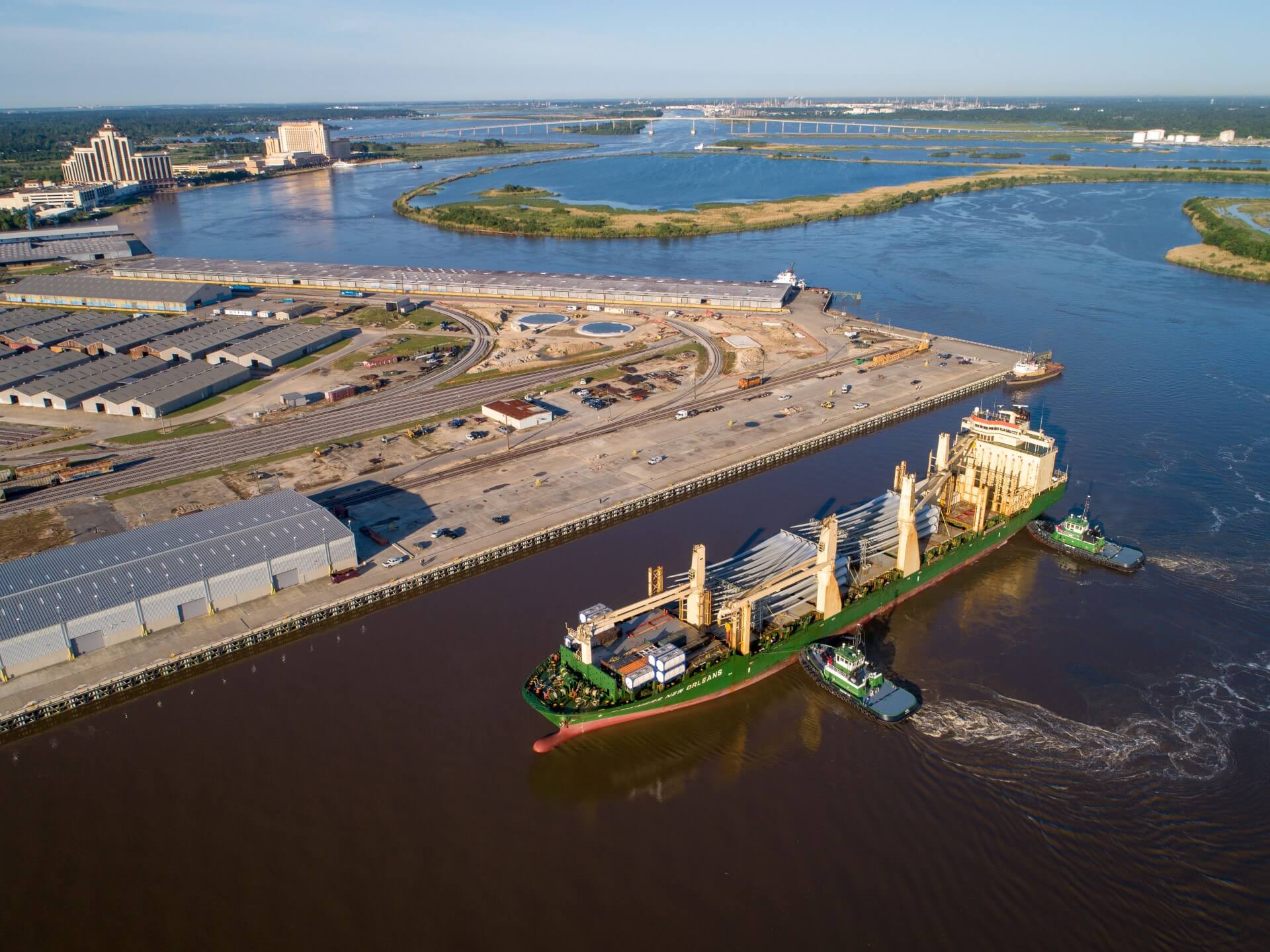
The Channel handled an estimated 65 million tons of cargo in 2024, with 53 percent of it classified as international trade — marking a shift driven by the rise of LNG exports. The growth was largely fueled by the opening of the Cameron LNG and Venture Global LNG facilities, both located along the Ship Channel. These developments have positioned the Port of Lake Charles as a leading U.S. hub for liquefied natural gas exports.
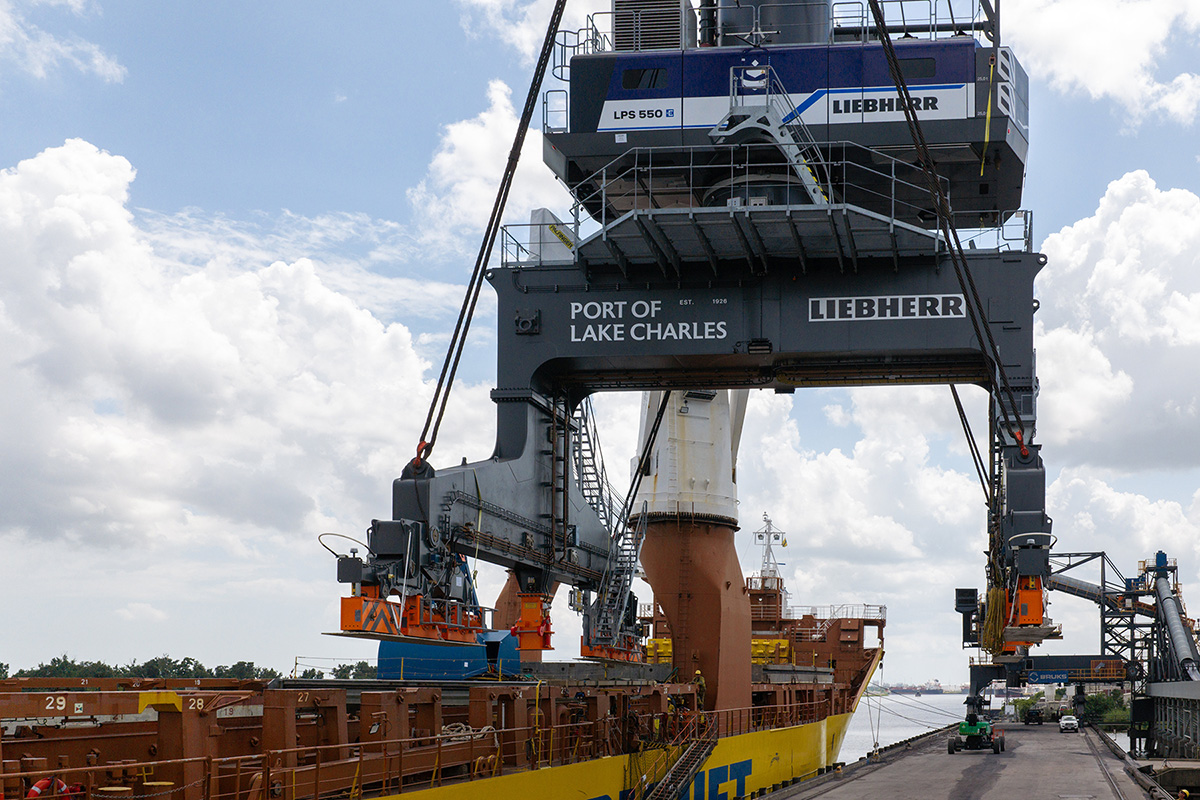
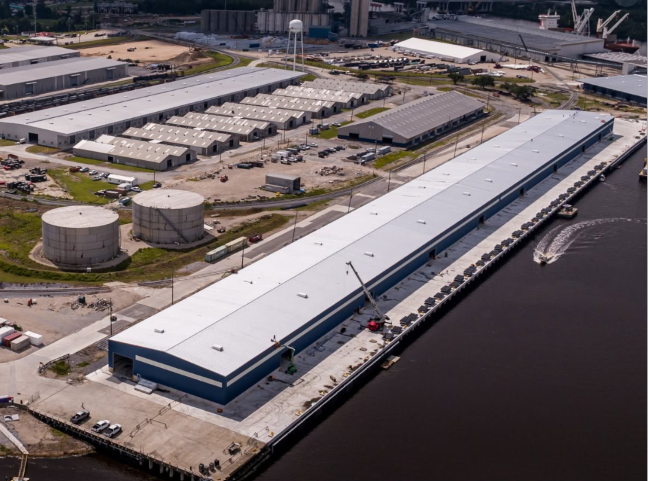
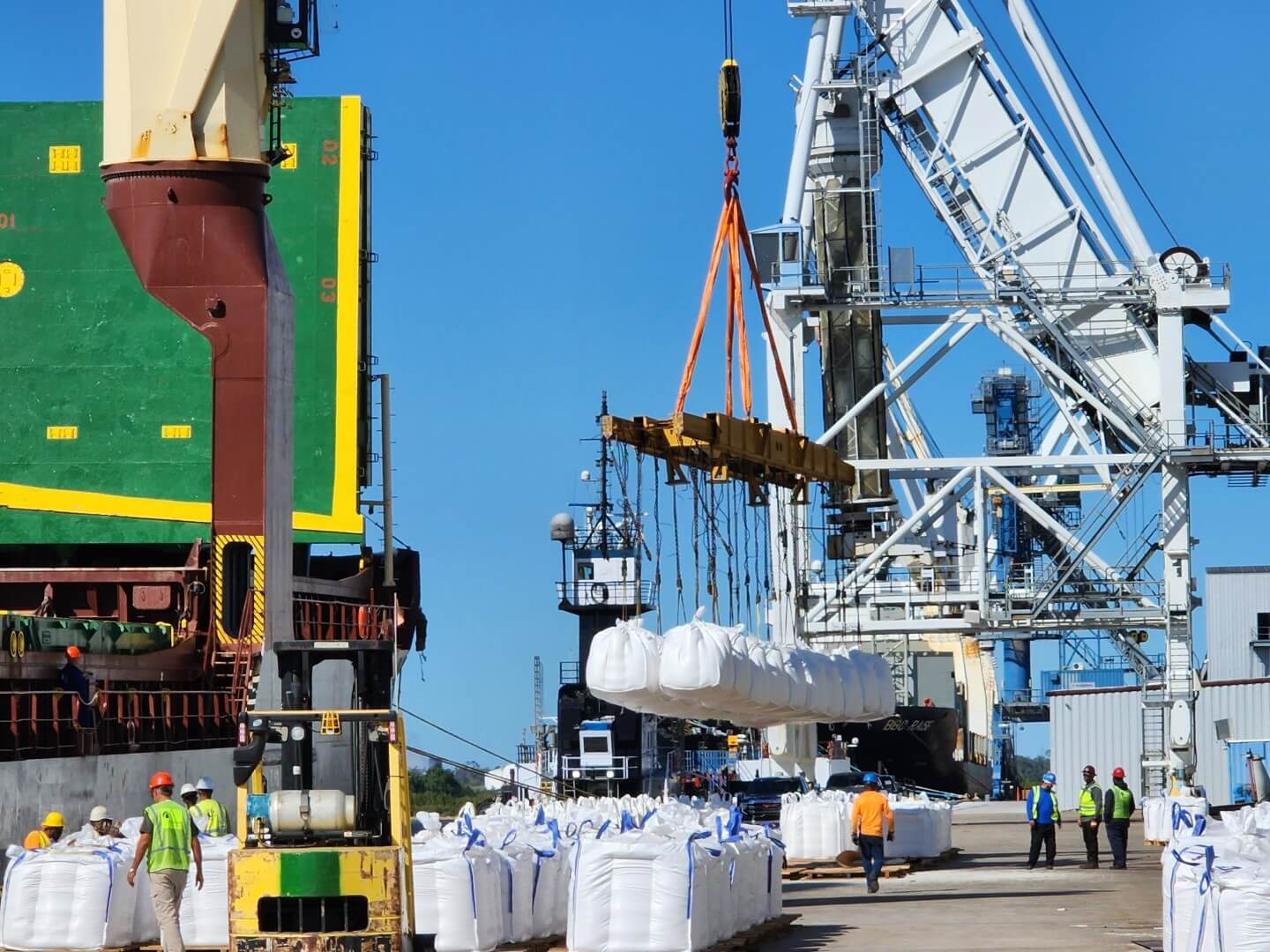
The Port’s public terminals handled such diverse commodities as petroleum coke, cement, bagged and bulk grain, lumber, limestone, rutile, barite and chemical products. In contrast, private terminals serve some of the largest petrochemical and refining operations in the region.
Revenue contributor
The study found that economic activity along the Ship Channel in 2024 generated:
• $27.5 billion in personal wage and salary income and consumption expenditures nationwide.
• $1.7 billion in direct wages to local workers.
• $2.9 billion in state and local tax revenue nationwide — including $1.1 billion in Louisiana and $535.3 million in the Calcasieu-Cameron market.
• $5.5 billion in federal tax revenue, with $2.6 billion attributed to Louisiana-based activity, and $1 billion from the Lake Charles area.
• $11.6 million in U.S. Customs revenue and $7.1 million in Harbor Maintenance Tax revenue collected from international and domestic cargo moving through the Ship Channel.
Future growth
The study also assessed the forward-looking economic impact of upcoming capital investments, including new LNG and methanol export facilities projected to begin construction within the next five years. These developments are expected to further elevate the Ship Channel’s economic contributions on a state and national level.
Martin Associates conducted the study through extensive interviews with nearly 200 firms, encompassing marine terminal operators, industrial tenants, cargo owners, and transportation providers. The methodology also considered inland waterway cargo flows via the Gulf Intracoastal Waterway, underscoring the environmental and infrastructure cost savings associated with marine transport.
National strategic asset
The Ship Channel’s strategic importance extends far beyond the Gulf Coast. Using detailed commodity flow data, Martin Associates distributed the channel’s total U.S. economic impact across all 50 states, based on transportation linkages and supply chain connections.
“The Ship Channel’s reach is truly national,” Self said. “Whether it’s energy security, manufacturing supply chains, or infrastructure savings, this waterway delivers value to virtually every corner of the country.”
As the Port continues to expand its facilities and support industrial growth, officials say they remain committed to maintaining the navigability and efficiency of the channel—a task that is vital not just to Southwest Louisiana, but to the entire U.S. economy.
About the Port of Lake Charles The Port of Lake Charles is a top-10 U.S. deepwater seaport — as measured by annual cargo tonnage — located in Southwest Louisiana and governed by the Lake Charles Harbor and Terminal District. It manages both public terminals and leases land to private industry, playing a vital role in global trade and the region’s economic development. The Port was founded in 1926 and will celebrates its 100th anniversary next year.
-x x x-
For interviews, photos: Brett Downer, O’Carroll Group: brett@ocarroll.com / 337-515-0942
To read the report in full: https://portlc.com/wp-content/uploads/2025/06/Port-Ship-Channel-study-exec-summary-2024-050152025.pdf