The Port of Lake Charles, a top-10 U.S. port, has added a state-of-the-art ship loader to Bulk Terminal No. 1 (BT‑1), significantly strengthening its capacity for heavy bulk cargo operations.
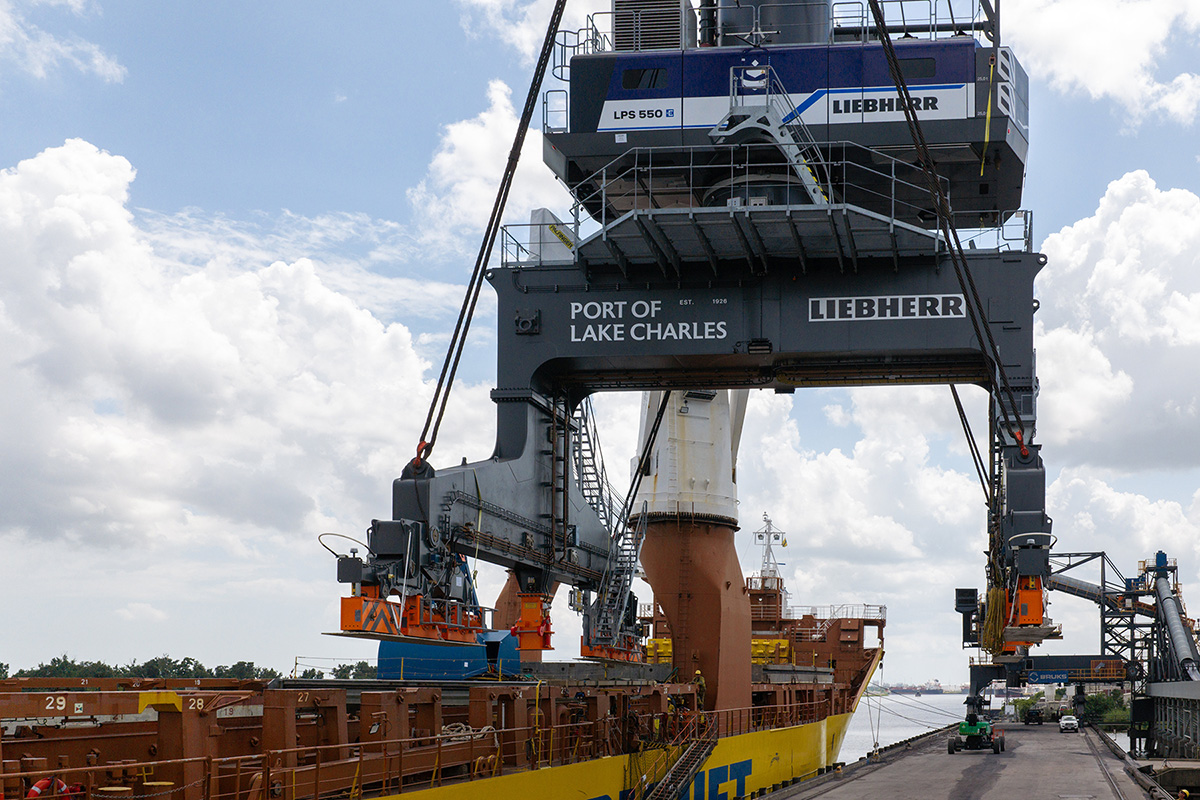
Fabricated onsite in Louisiana by Morris Material Handling of Wisconsin, the innovative loader — measuring approximately 174 feet tall and weighing 900 tons — represents a $14 million investment in domestic manufacturing and local economic development.
The installation, completed after comprehensive testing at the Port of Iberia, brings BT‑1’s tally to two high-capacity ship loaders capable of simultaneous vessel servicing. When operational, one loader can deliver cargo onto conveyors while the other directs material to trucks or railcars, streamlining operations and reducing vessel turnaround times.
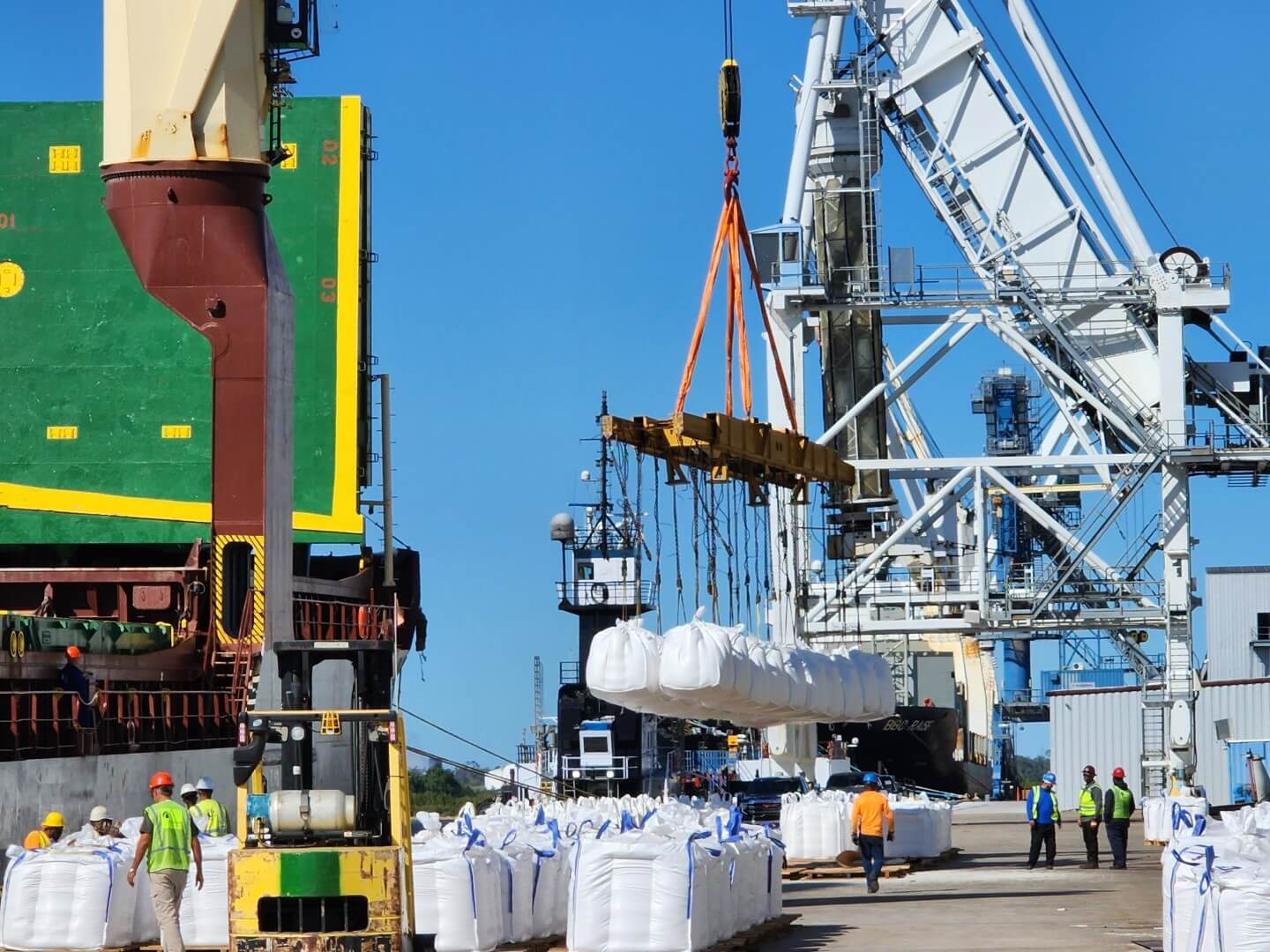
BT‑1 already handles more than 3.1 million short tons of dry bulk—such as petroleum coke, calcined coke, barite, and rutile—each year, with the loader rated to move petcoke at 3,200 short tons per hour.
“This loader is the culmination of our vision to rebuild stronger post-Hurricane Laura and ahead of future growth,” said Donald Brinkman, director of port engineering. “With 90 percent U.S.-made components, it’s a tribute to American craftsmanship and Louisiana resilience.”
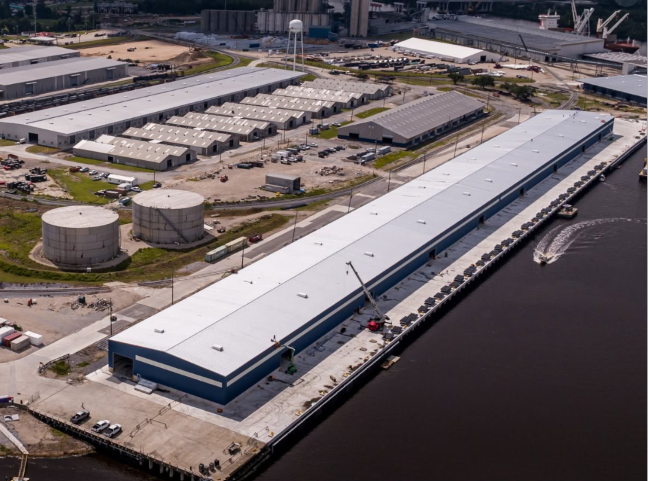
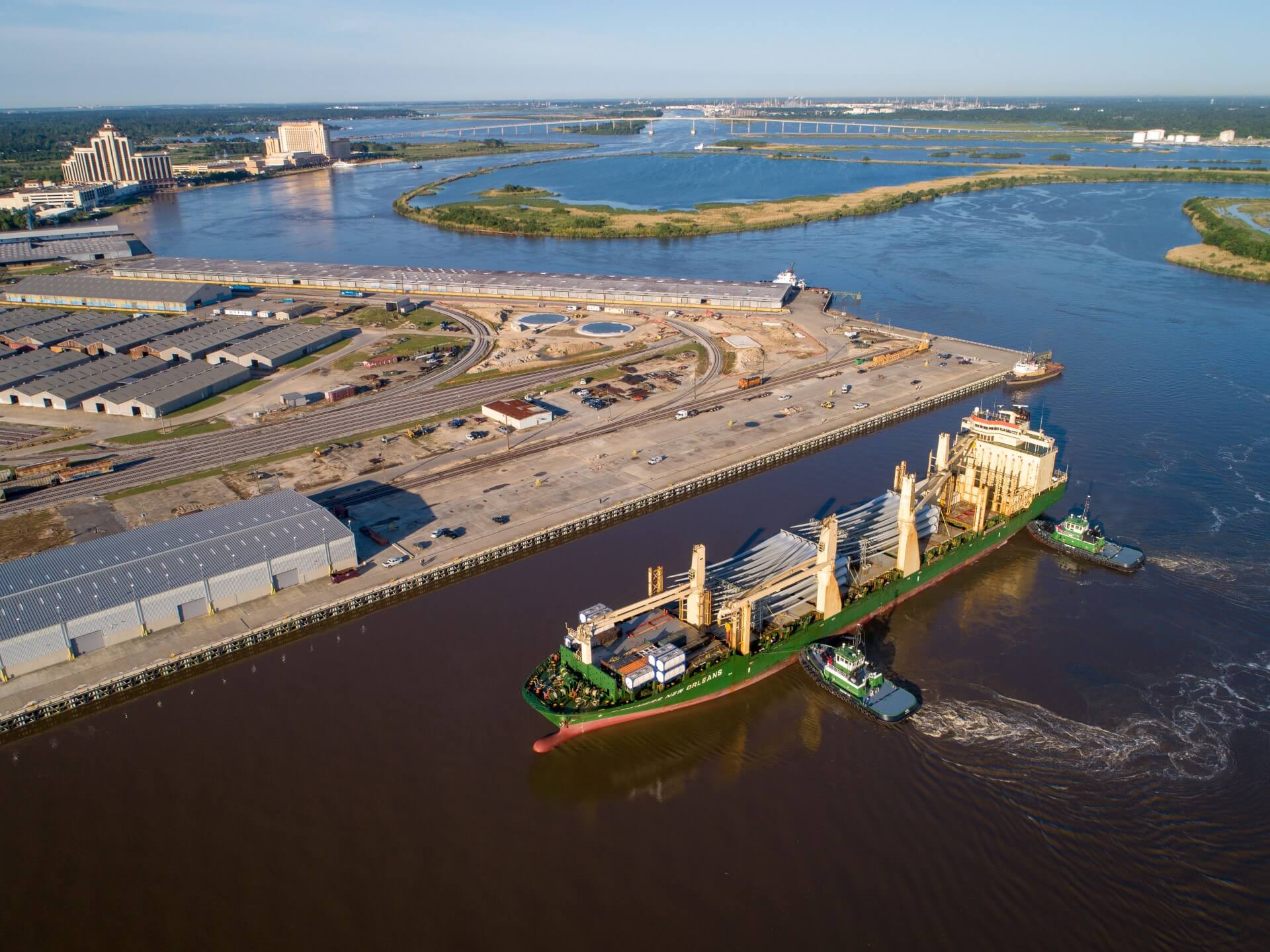
Situated on a 71‑acre footprint with a 2,200‑foot wharf along the Calcasieu Ship Channel — approximately 30 miles inland — the terminal now supports multi-modal transfers, including vessel-to-vessel, vessel-to-truck, and vessel-to-rail, with upgraded loading throughput.
Port Executive Director Richert Self said the expansion “reinforces our position among the nation’s busiest deepwater ports and exemplifies our dedication to supporting energy, industrial, and agriculture sectors locally and globally. It also reflects our resolve to innovate, recover, and thrive.”
The Port of Lake Charles spans 203 square miles, managing two marine terminals and two industrial parks, ranking among the top ten U.S. ports for cargo tonnage.
With this new loader, BT‑1 will handle higher volumes and diverse bulk materials more efficiently — bolstering trade, job creation, and regional economic vitality.
Managed by the Lake Charles Harbor and Terminal District, the Port serves as a vital energy and logistics hub along the Calcasieu Ship Channel. Opened in 1926, the Port offers extensive marine and industrial infrastructure and plays a key role in the Gulf Coast’s supply chain network.